The industry treats safety and efficiency as a trade-off. It doesn’t have to be.
Our Story
The Gap
After years building the models that taught autonomous vehicles how to keep a safe distance from people and objects in motion, our founder, Denis, saw the same intelligence missing somewhere else entirely: industrial robotics.
Robots freeze the moment they detect a person or object nearby, treating the stop as the only safety mechanism they know. But every stop means lost time and productivity.
The industry’s fix was to slow down, or fence people out. Neither one solved the actual problem.
.webp)
The Birth of ScaleDrive
Denis brought together a small team with the exact background this problem needed: deep experience in autonomous driving, large-model research for robotics and humanoids, and provable safety focused on safe human-robot interaction.
Together they built the full autonomy stack the industry was missing: prediction fast enough to keep robots moving, with safety provable enough to certify.
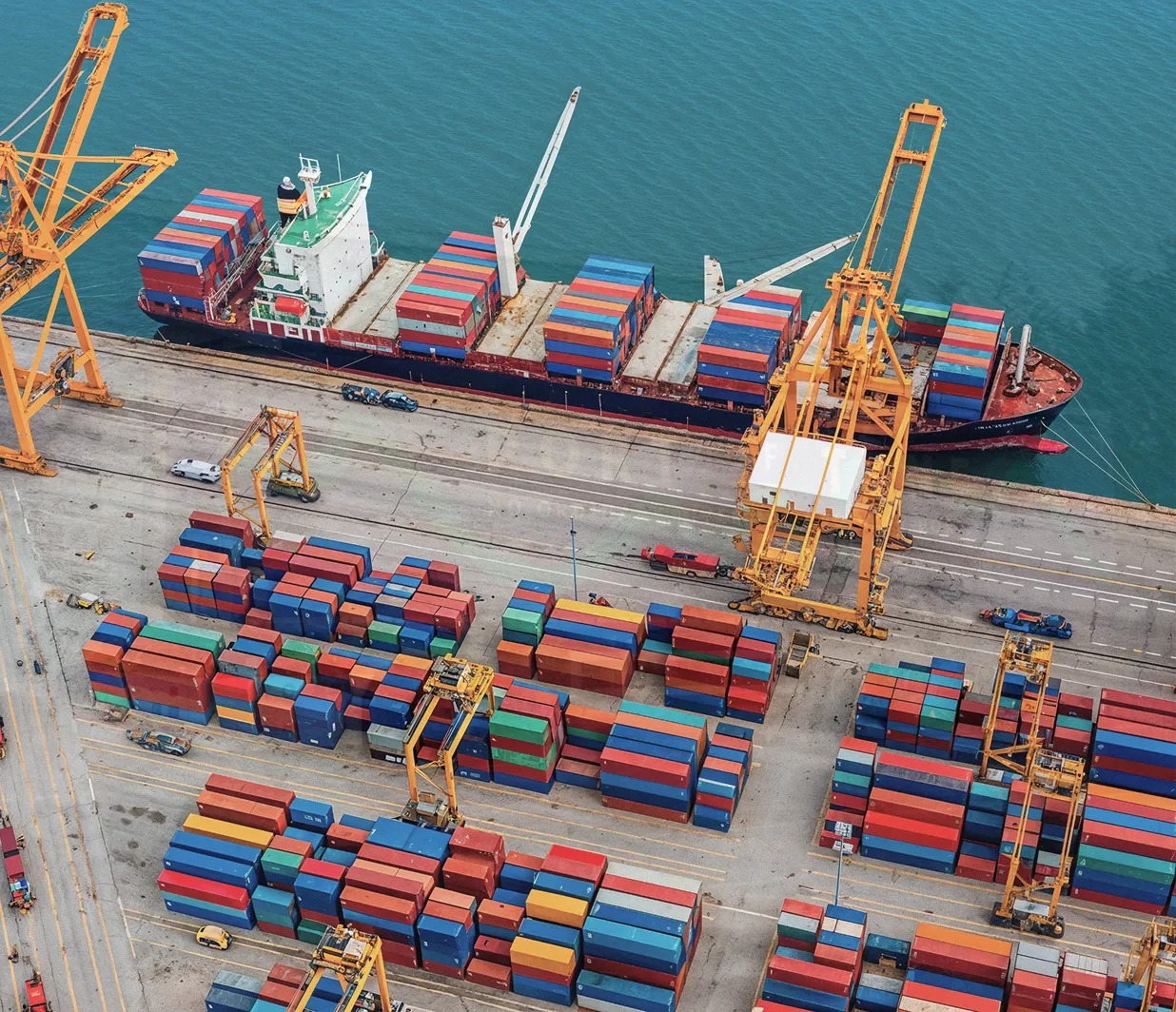
Our goal is to bring this technology into ports, shipyards, and industrial sites, building toward a future where robots and humans work side by side.
Where We Are Today
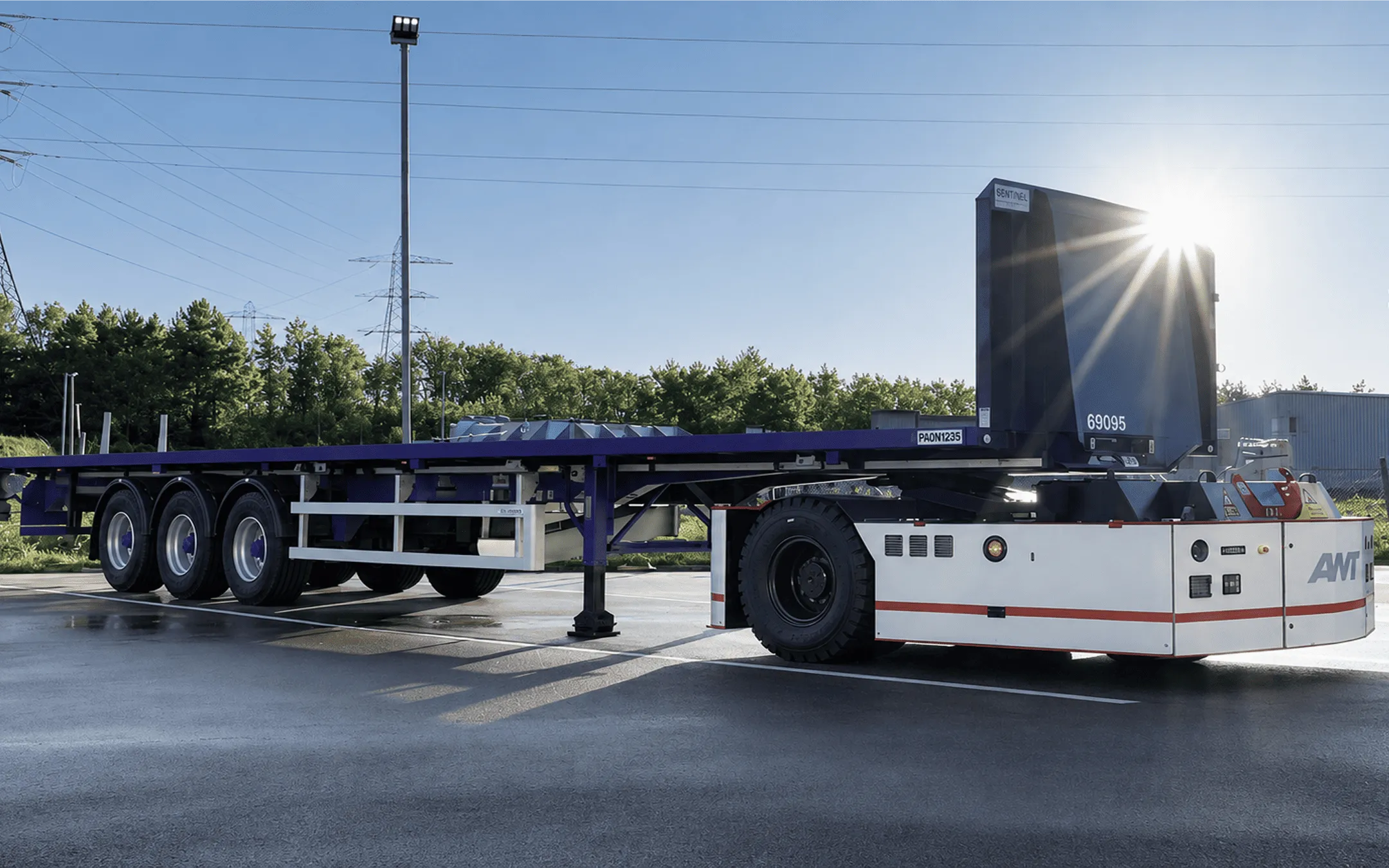
Our autonomy stack is deployed in the real world, at a major UK port and with a European heavy industry manufacturer, across both AMRs and humanoids.
TÜV and the Autoware Foundation have both signed letters supporting our approach to human behavior prediction and certification. We're backed by a16z, Forum Ventures, and Unpopular Ventures, part of NVIDIA's Inception Program, and a member of the Autoware Foundation.
Our Team
Built by experts in safety and autonomy
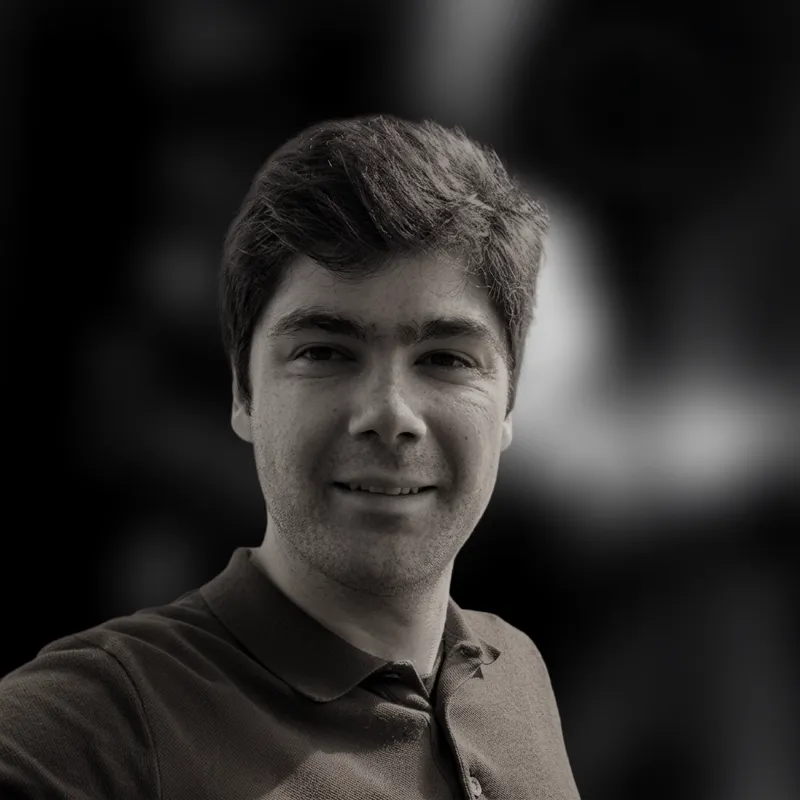
Denis Azarov
Nine years at BMW in engineering and innovation leadership; two prior companies whose products reached thousands of users.
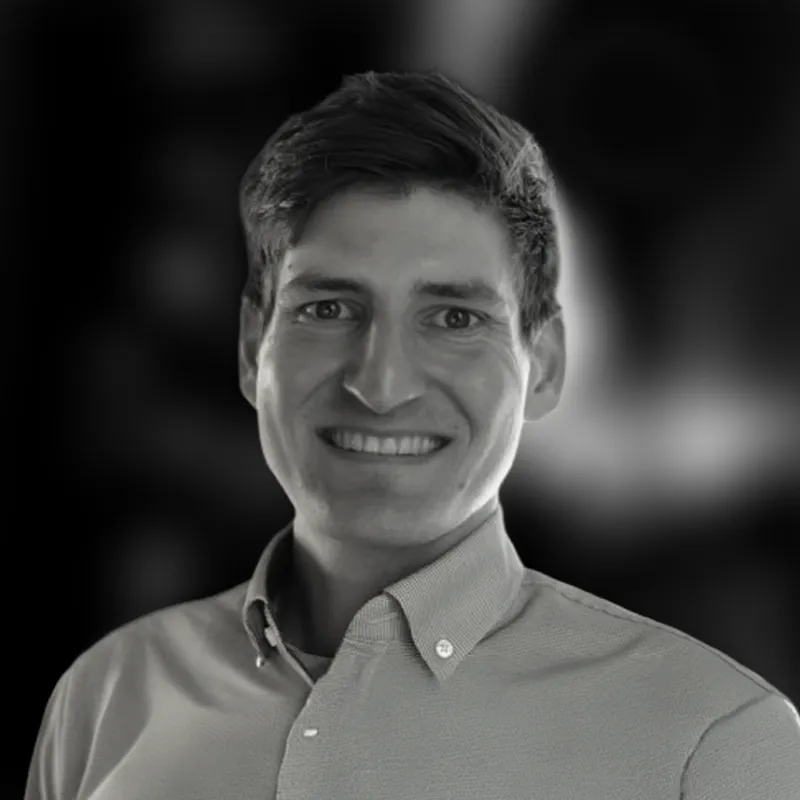
Jakob Thumm
TU Munich PhD on provable safety for robotics, Stanford postdoc. Author of the provably safe RL work our safety layer is built on.
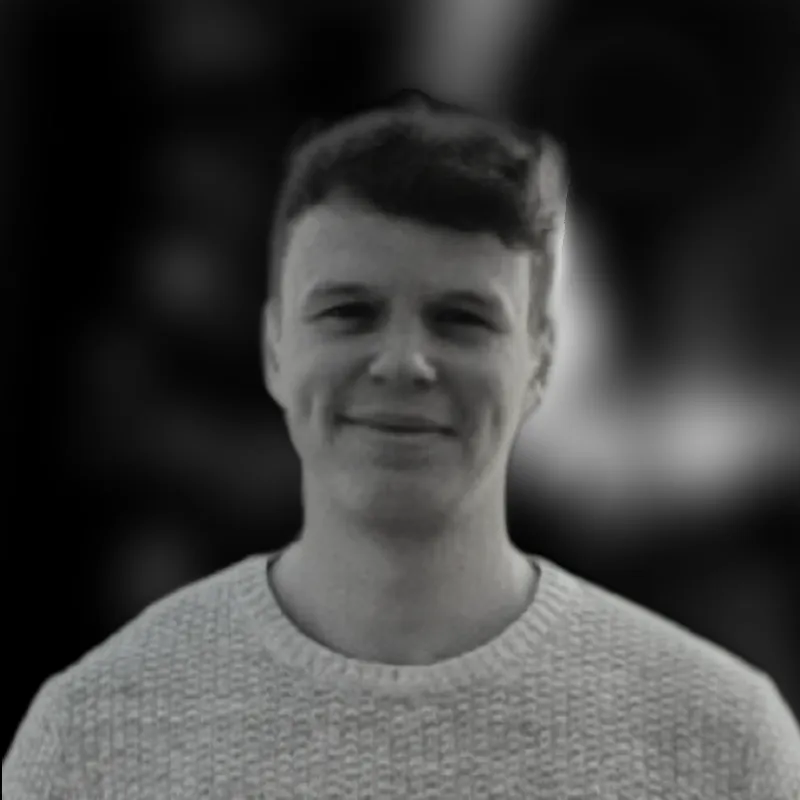
Tim Salzmann
PhD researcher behind Trajectron++, benchmark work in large models for robotics at Stanford and Google DeepMind, autonomous driving at BMW.
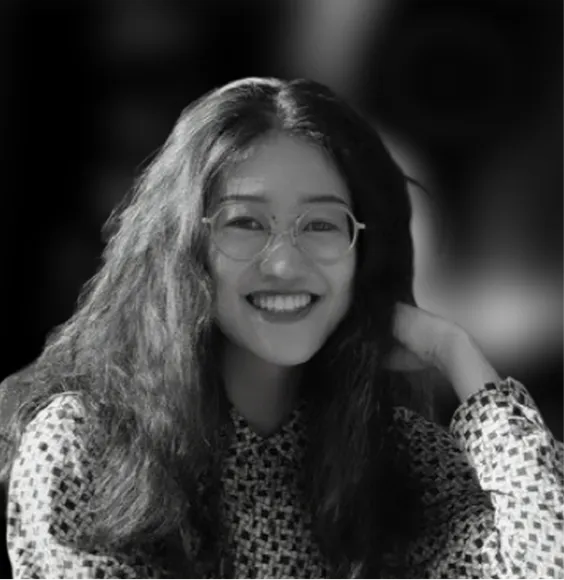
Yutong Xin
Safety-layer development at TU Munich, robotics AI software and simulation at Fraunhofer.
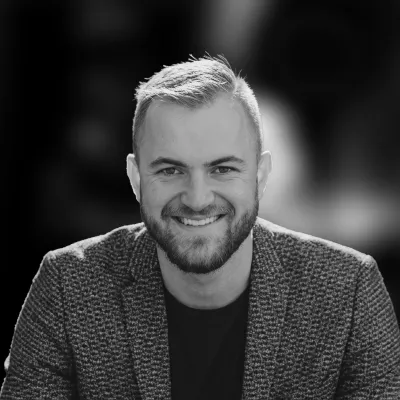
Ott Männik
Led development and launch of Autoware-based autonomous shuttles deployed across 8+ use cases in Europe and Japan.
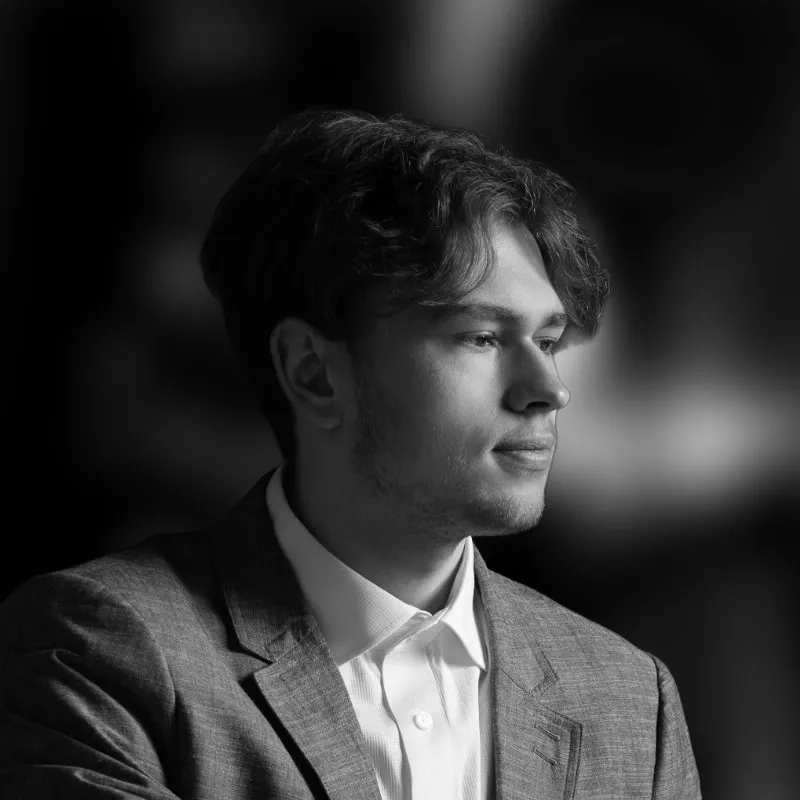
Ingmar Sell
Senior software engineer for autonomous shuttles deployed in more than eight use cases around the world.
Our Advisors
Advised by the best in the industry
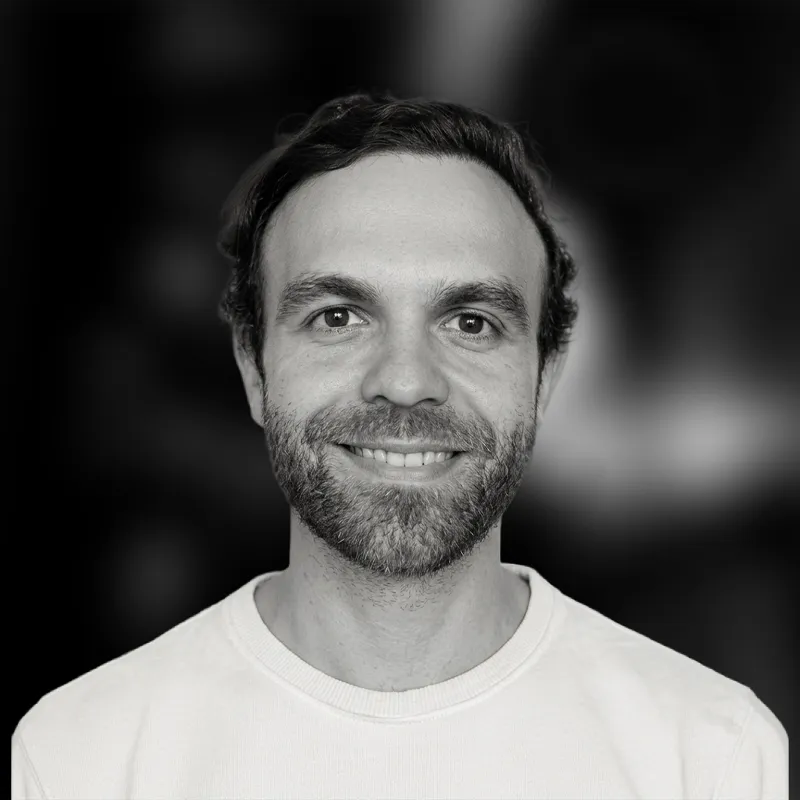
Yevgen Chebotar
Early contributor and shareholder. VLA inventor; led AI VLA efforts at Figure; formerly Google DeepMind.
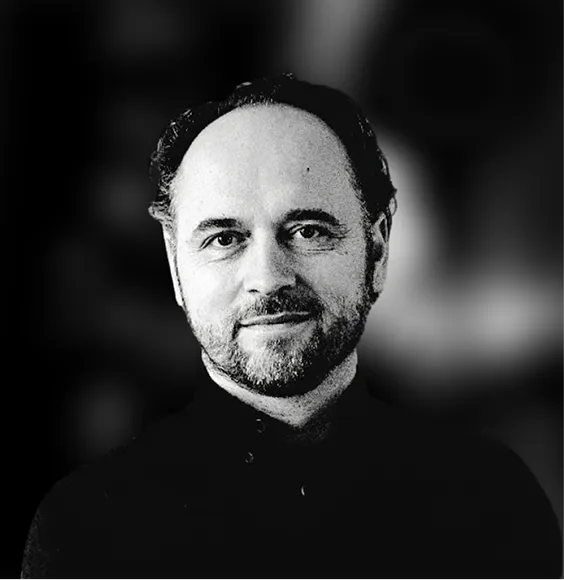
Matthias Meyer
Corporate innovator; co-founded BMW’s Venture Client unit (BMW Startup Garage); PhD in Safety Engineering & ML.
FAQ
Frequently Asked Questions
What does ScaleDrive actually do?
We build the full end-to-end autonomy stack, differentiated by advanced prediction and provable safety. Think of it as the reflexes a good driver has in traffic, built into the robot instead.
Why can’t robots just stop when a person’s nearby?
What robot types does this work on?
Is this technology certifiable?
How does ScaleDrive integrate with our existing hardware?
What industries do you serve today?
Where would robots work if they could do it safely?
Tell us where automation stalled. We’ll take it from there.